Robert Szeleney@robert.szeleney
Distanz
458 NM
Flugzeit
1h 40m
Max. Höhe
10 577 ft
Flugzeug
OE-DSZ
💶
Bezahlt
€ 140,00
👥
PAX
2 Personen
🅿️
Parken
Ein paar Stunden
Preise
- Landegebühr
- € 68,00
- Handling
- € 16,00
- Parkgebühr
- € 28,00
- SonstigesOther
- € 28,00
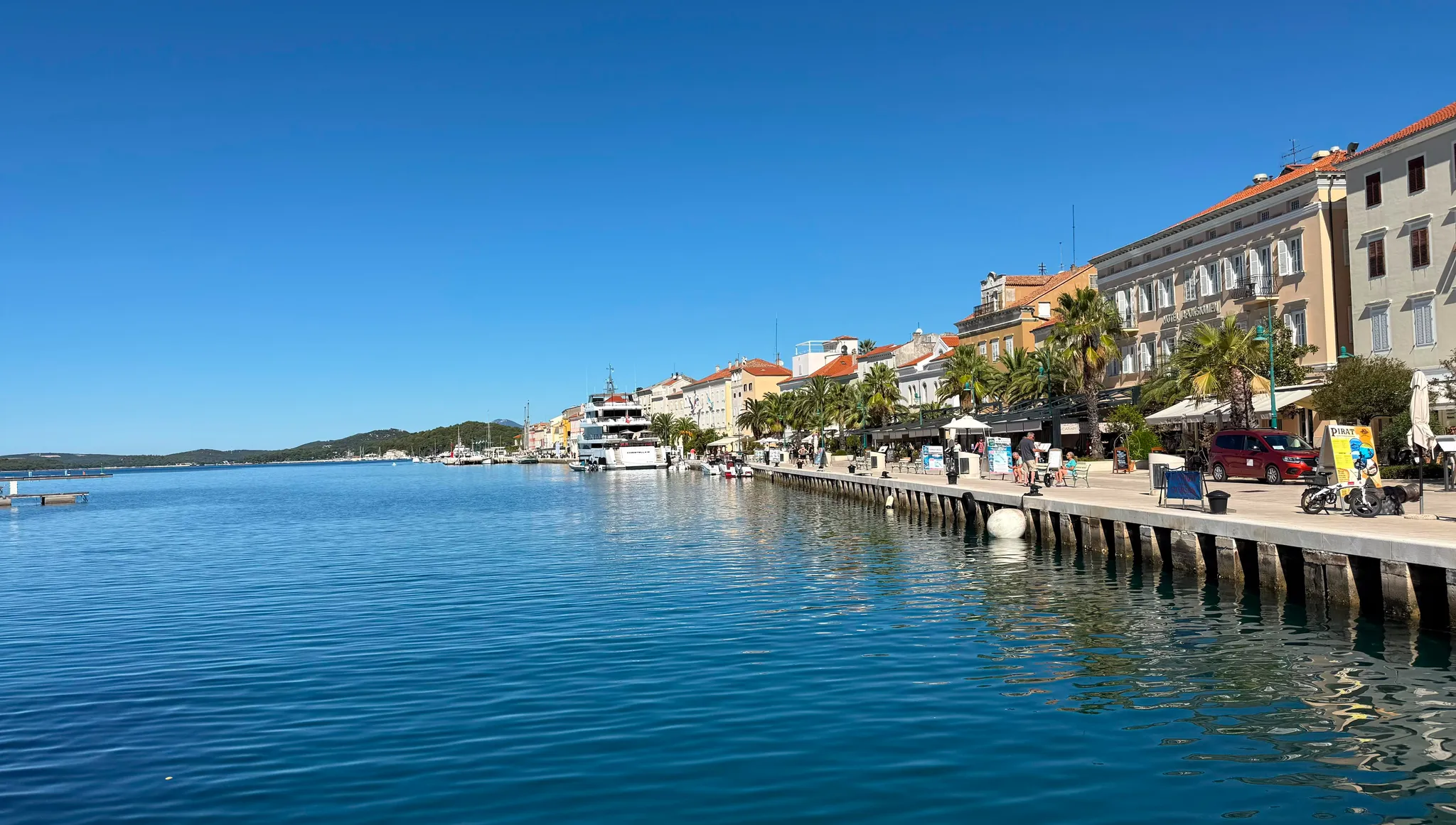
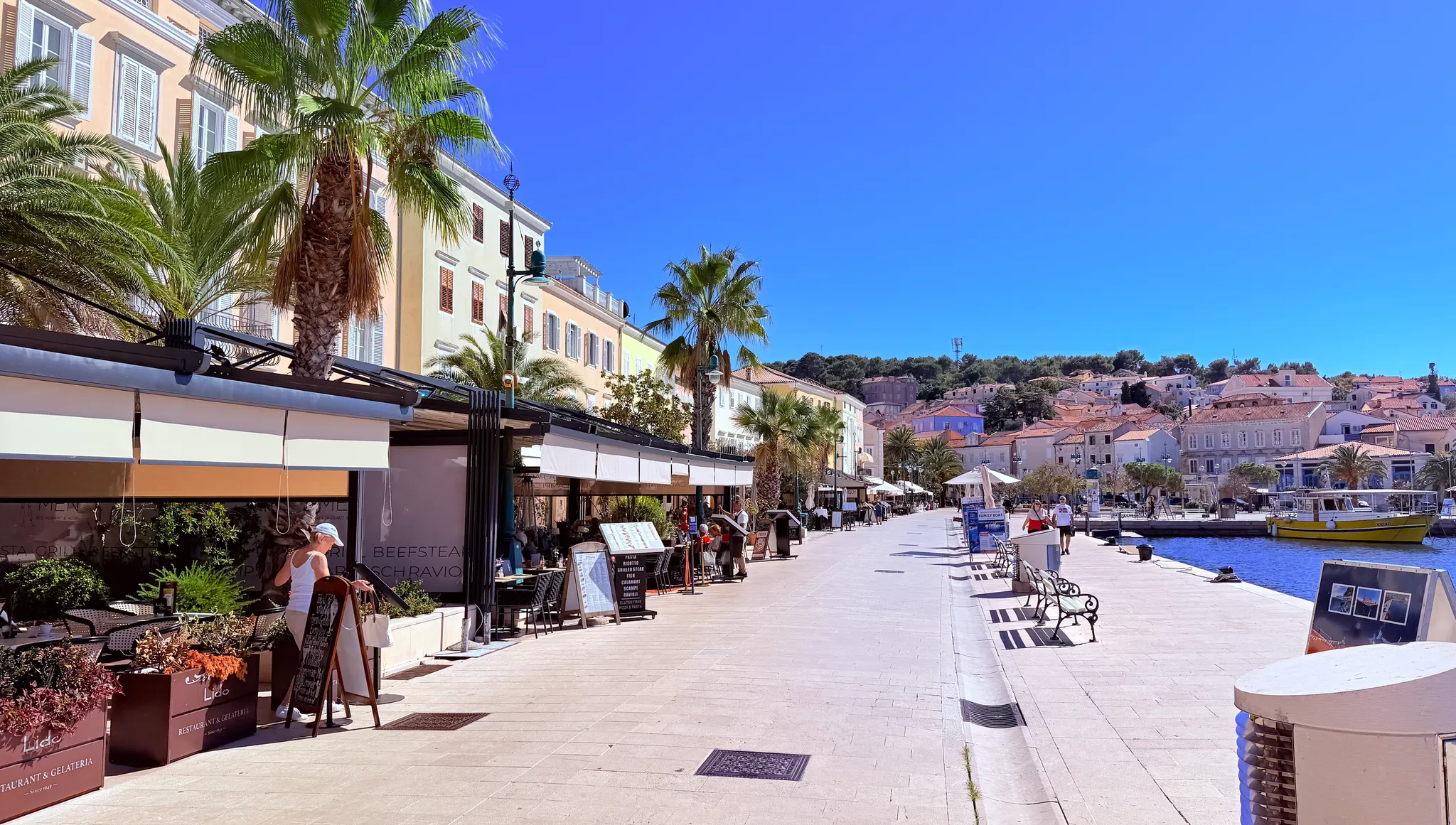
Ein Tagesausflug bei herrlichem Wetter – zum Mittagessen – von Wels nach Mali Lošinj
Die Motivation
Da ich weiß, dass viele nach LDLO fliegen, dachte ich, das muss wirklich etwas Besonderes sein. Und nachdem ich schon in LJPZ war, klang es perfekt, diese Route nochmal zu fliegen und mit nur rund 30 Minuten mehr auf einer kroatischen Insel zu landen – also einfach probieren. Ein bisschen Nervosität, zum ersten Mal übers Meer zu fliegen (ca. 20 Minuten).Die Planung
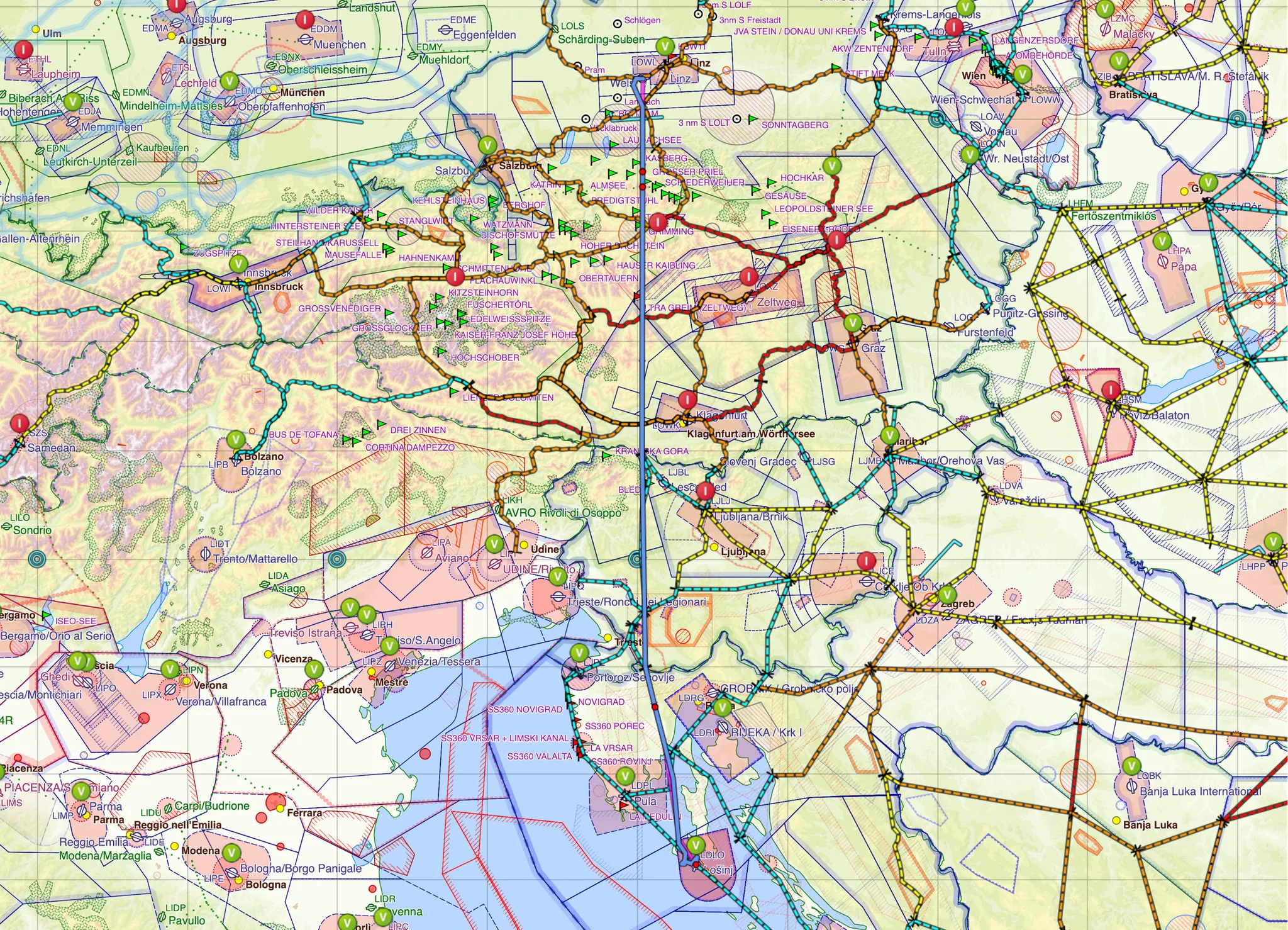
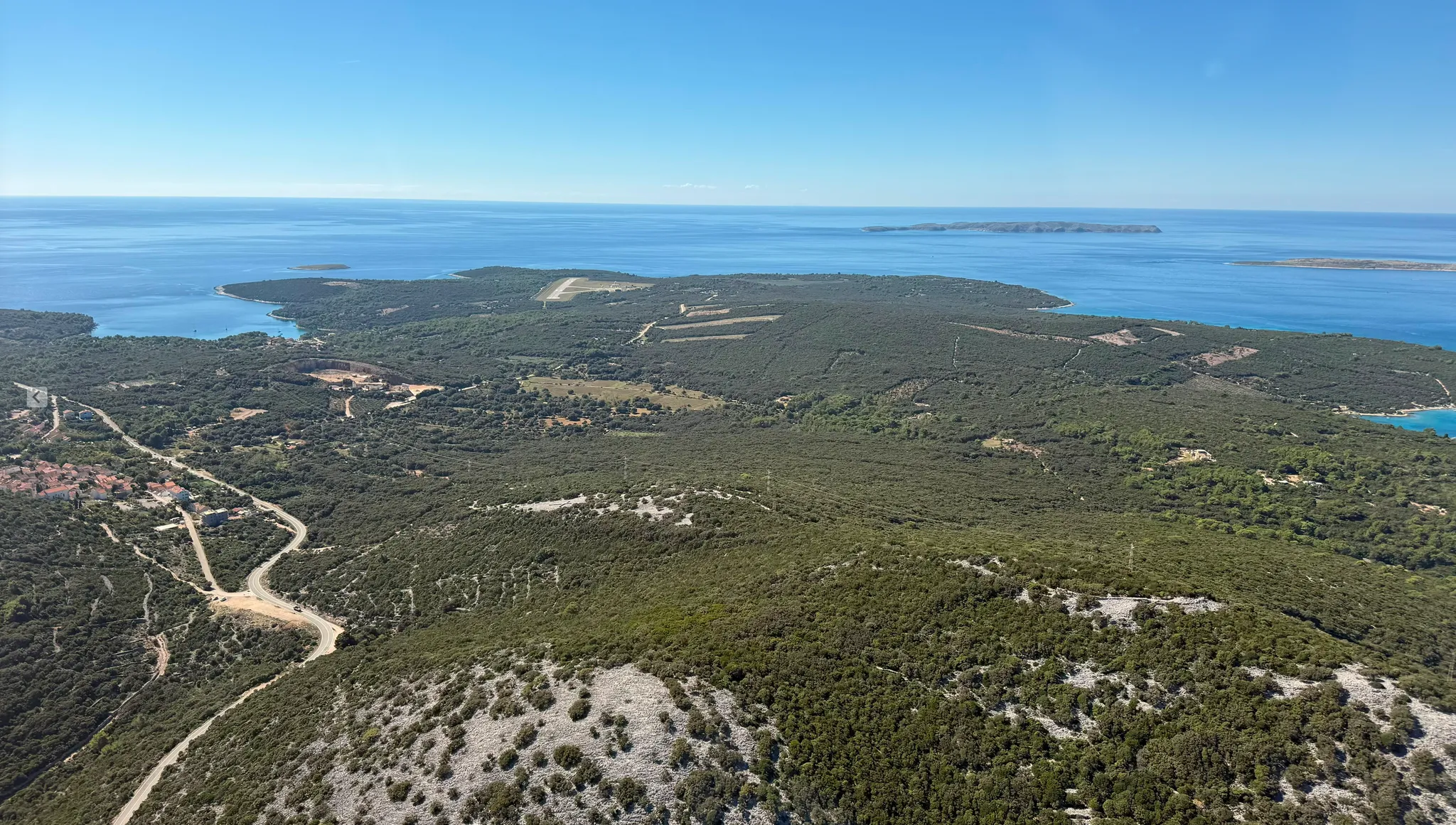
Diesmal haben wir die Route mehr oder weniger in gerader Linie geplant und geflogen, direkt über die Alpen, und bei jedem Luftraum um Durchflugfreigabe gebeten. Planungstechnisch war klar: direkt NIPEL zur Einreise nach Slowenien, von dort gerade nach Süden zu USELU in den kroatischen Luftraum. Um die beste – oder sagen wir übliche – Route nach LDLO (Mali Lošinj) zu finden, habe ich mir diverse FlightTracker24-Playbacks angesehen und mich entschieden, Istrien am besten bei PLOMIN zu verlassen und direkt zum VFR-Meldepunkt Oscar 1 zu fliegen. Da ich davon ausging, vom Losinj Tower Anweisungen für den Endanflug zu bekommen, war das mehr oder weniger der letzte Punkt, den ich geplant habe. Außerdem habe ich (wie jedes Mal) die Flugplatzinformationen und das AIP gelesen. So war ich auch darauf vorbereitet, dass LDLO (Mali Lošinj) manchmal unkontrolliert ist. Für diesen Tag waren die Öffnungszeiten für Flugplatz und Tower zwar mit 0900 - 1700 LOC angegeben, aber es kann immer passieren, dass der Tower nicht besetzt ist. Für diesen Fall hatte ich mich darauf vorbereitet, den Platz in 1200 Fuß zu überfliegen, den Windsack zu checken und entsprechend anzufliegen (und meine Absichten auf Losinj Radio für alle anderen Piloten im Anflug, in der Platzrunde oder am Boden durchzugeben). Zusätzlich steht in den Flugplatzinformationen, dass sich alle ankommenden Flugzeuge vorab per Telefon oder Mail anmelden müssen. Da ich nicht sicher war, ob das noch aktuell ist, habe ich trotzdem ca. 2 Stunden vor Abflug eine Mail mit Parkanfrage geschickt und fast sofort eine positive Antwort bekommen. Nach dem Abflug, Kontakt mit Wien Information und Verlassen der TMA Linz begannen wir unseren Steigflug auf 10000 Fuß und flogen in gerader Südrichtung in die Alpen. Zeltweg war (wie üblich) am Samstag nicht aktiv, also plante ich den nächsten Frequenzwechsel zu Klagenfurt Radar, um deren TMA zu durchqueren, 5 Minuten vor Erreichen – wurde schnell genehmigt. Klagenfurt Radar übergab uns kurz vor NIPEL (der Grenze zu Slowenien) an Ljubljana Information. Ljubljana Information bat uns, Annäherung an USELU zu melden, und fragte 10 Minuten vor USELU nach unserer geplanten Höhe beim Grenzüberflug. Wir antworteten mit 5000 Fuß (das schien eine gute Höhe für Hindernisfreiheit zu sein, und falls Pula uns auf die VFR-Adria-Route schicken würde, konnten wir so schnell unter 4500 Fuß sinken). Nach der Übergabe an Pula Radar (in Istrien ist alles ab 1000 Fuß über Grund Luftraum D, inklusive der Nordadria, und wird von Pula betreut) bekamen wir sofort die Freigabe nach PLOMIN, unserem geplanten Wegpunkt, an dem wir Istrien verlassen und übers Meer direkt nach O1 fliegen wollten. Da die Bora in Kroatien ziemlich aktiv war (aber nur an der Festlandküste), hatten wir in der Nähe von Rijeka ordentlich Turbulenzen, denen wir entkamen, indem wir 6000 anforderten und hinaufstiegen. Wieder ruhige Luft. Kurz vor PLOMIN wurden wir bereits an den Losinj Tower übergeben. Losinj Tower wies uns an, Uniform 1 in 1500 oder tiefer zu melden (wir hatten Oscar 1 geplant), aber da U1 neben O1 liegt, natürlich kein Problem. Jetzt war es also Zeit, übers Meer zu fliegen. Motor absolut ruhig, alles sicher. Bei der Planung dachte ich, ein Motorausfall wäre nicht so schlimm, da es diverse Inseln gibt, zu denen man gleiten kann. Tja, das war eine völlig falsche Annahme: Man würde diese Inseln zwar erreichen, aber man möchte dort niemals eine Notlandung machen – nur Felsen, Bäume und noch mehr Felsen. Auf halbem Weg zu Uniform 1, während ich die Towerfrequenz mithörte, sah es so aus, als würden mindestens 3 Flugzeuge (inkl. uns) Richtung Uniform 1 fliegen und eines im direkten IFR-Anflug auf die 20 sein. Der Tower wies uns an, die Geschwindigkeit zu reduzieren, und wir waren Nummer 4 zur Landung. Vielleicht war ich trotzdem noch etwas zu schnell, denn nach ein paar Minuten schickte uns der Tower zur Staffelung Richtung Victor 3. Sobald das IFR-Flugzeug gelandet und Nummer 3 schon im Queranflug war, bekamen wir die Freigabe in den Gegenanflug 20. Ich entschied mich, zur weiteren Staffelung noch einen 360er zu fliegen (da kein anderes Flugzeug hinter uns war), und flog dann direkt in den Gegenanflug 20. Im Gegenanflug, während ich die Lage auf der Piste checkte, den Queranflug und den Sinkflug im Endanflug plante und doch einige Erhebungen vor uns hatte, entschied ich, über diesen Hügel zu fliegen und von dahinter anzufliegen. Als wir den Hügeln näher kamen und ich sah, dass unsere Höhe für die Hindernisfreiheit allmählich stieg, entschied ich mich, schon den rechten Queranflug einzuleiten, und bereitete mich auf eine hohe Sinkrate vor, da wir schon ziemlich hoch waren (ca. 1300 Fuß statt der geforderten 800 Fuß Platzrundenhöhe). Im Endanflug mussten wir schnell Höhe abbauen, also Leerlauf, volle Klappen und ein leichter Slip. Mit bis zu -1200fpm verloren wir schnell Höhe und blieben dabei trotzdem in sicheren Geschwindigkeitsbereichen. Nach dem Korrigieren unseres direkten Querwinds von 6 - 9kts (und einem kurzen Gasstoß, weil wir etwas zu tief kamen) war die Piste sicher, und wir setzten 130 Meter nach der Schwelle/den Nummern auf. Der Marshaller war sehr damit beschäftigt, allen ankommenden Flugzeugen Parkplätze zuzuweisen, kümmerte sich aber bald um unsere DA40NG und gab uns einen schönen Abstellplatz. Nach dem Aussteigen aus der DA40NG bat uns der Marshaller, das Flugzeug bitte zu verzurren (in Kroatien weiß man generell nie, ob Wind aufkommt, und da die Bora am Festland noch aktiv war, klang das vernünftig). Das FBO bat uns, einfach beim Abflug zu bezahlen, super freundlich. Endlich konnte ich die kürzlich gekauften Spanngurte ausprobieren, die einwandfrei funktionierten – dort gibt es jede Menge Asphalt- und Grasabstellplätze.Zurück nach LOLW
Beim Lesen der Flugplatzinformationen hatte ich gelesen, dass man eine Freigabe zum Anlassen braucht. Ich fragte den Marshaller, der sich nicht sicher war, und dachte mir, machen wir's einfach. Im Flugzeug: Electric Master ein, Avionik ein und Erstanruf beim Tower, der schnell mit „Startup approved“ antwortete und uns bat, Bescheid zu geben, wenn wir bereit sind, die Clearance mitzuschreiben. Hä? Clearance? Ich dachte, das gibt's nur bei IFR? Wie auch immer: Avionik aus, Motor anlassen, Avionik wieder ein, und wir bekamen die übliche Rollinformation mit dem Hinweis, Bescheid zu geben, wenn wir bereit für die VFR-Clearance sind. Ah, ok, also nur eine VFR-Clearance, alles gut :) Nach dem Runup am Rollhalt B der Piste 02 bekamen wir unsere Clearance, die im Grunde nur lautete: freigegeben nach LOLW, U1 in 1500 Fuß melden – und von da an der ruhigste Flug zurück nach Hause.Wichtigste Punkte und Erkenntnisse
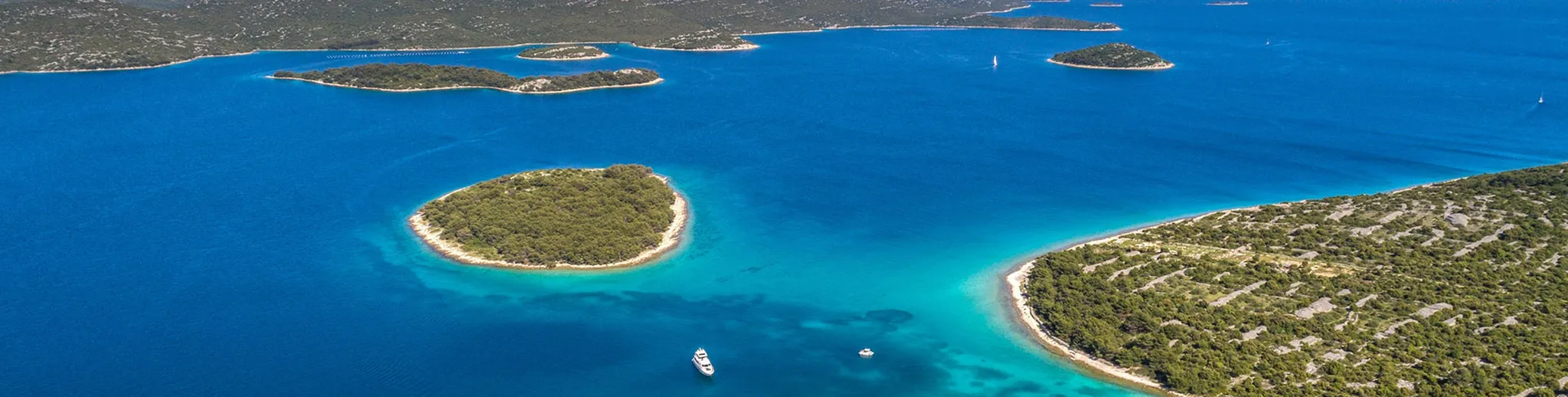
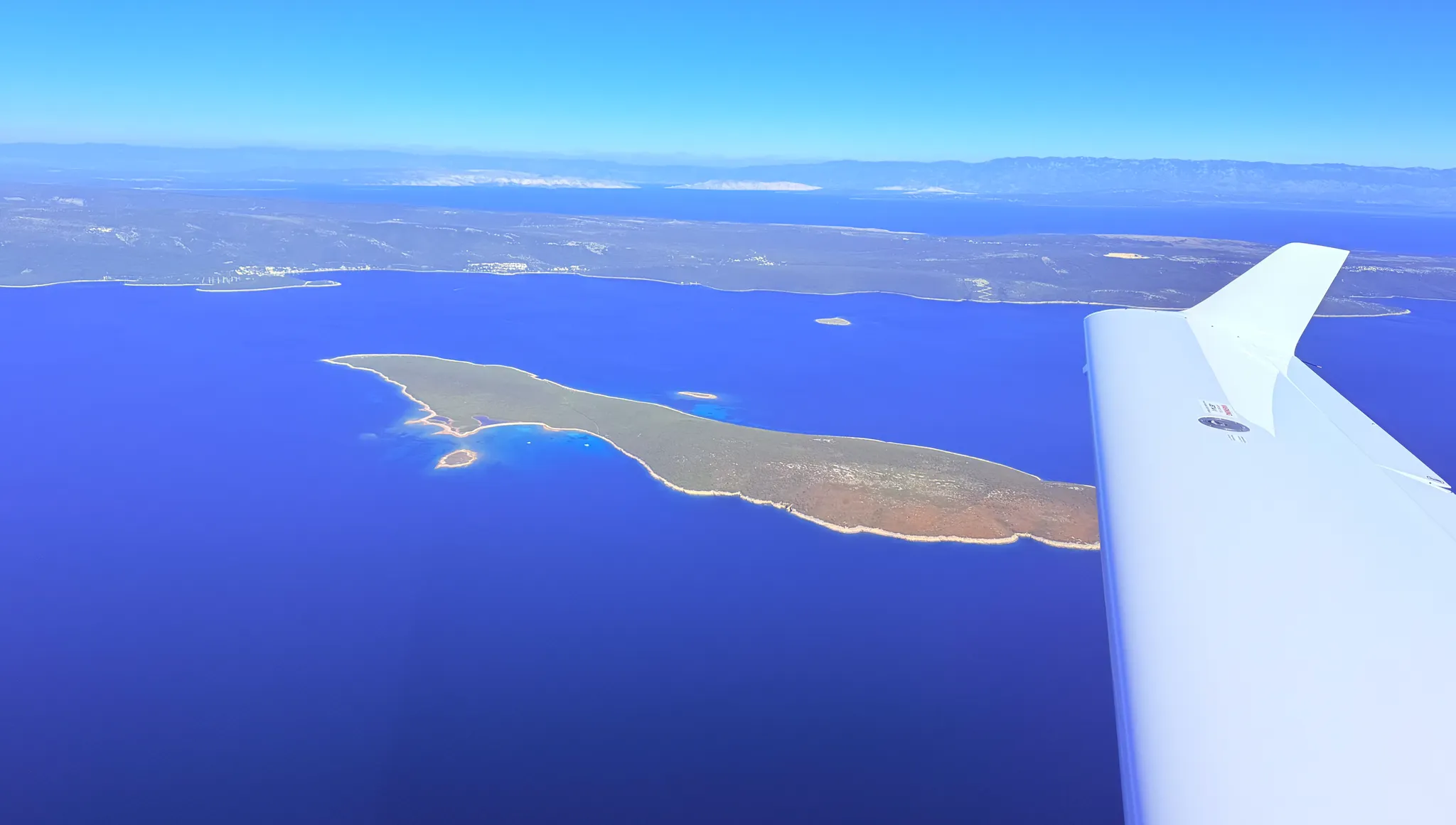
Wenn ihr übers Wasser fliegt und glaubt, ihr könntet auf all den Inseln neben euch landen – könnt ihr nicht. Nur Felsen und Bäume und noch mehr Felsen. Es gibt am Funk immer wieder was Neues. Anlassfreigabe anfordern und bereit für die VFR-Clearance?Fun Fact
Die oben erwähnten Landungen Nummer 1 und 2 waren tatsächlich ein anderer Pilot aus LOLW (Wels) und ein Flugzeug aus LOWL (Linz) – war schön, die Jungs dort zu treffen :)A beautiful weather single day - for lunch - flight from Wels to Mali Lošinj
The motivation
Knowing many people flying to LDLO thought this must be really something special, and after being in LJPZ already, flying this route again with just additional 30 minutes or so to land on a Croatian island it sounded perfect to just try it. A slight nervousness about flying over the ocean (for approx. 20 minutes) for the first time.The planning
This time we planned and conducted the route in a more or less straight line, directly over the Alps and asked for permission to cross every airspace. From a planning point of view, it was clear to go direct NIPEL to enter Slovenia, from there straight south to USELU to enter Croatian airspace. To find the best, or let’s say common, route to LDLO (Mali Lošinj) I checked various FlightTracker24 playbacks and so decided to best leave Istria at PLOMIN to fly straight to VFR reporting point Oscar 1. Assuming I get final approach directions from Losinj tower, this was more or less the last point I planned for. Also (as every time) read the airport textual information and AIP, so I was also prepared that sometimes LDLO (Mali Lošinj) is uncontrolled, although for this date the opening hours for the AD and tower were listed as 0900 - 1700 LOC, but it can always happen that the tower is not occupied, in which case I prepared for overflying the airport at 1200 feet, checking the windsock and making the appropriate approach as required (and announcing my intentions on Losinj Radio for all the other pilots either approaching, in the traffic circuit or on the ground). Additionally, textual information says that all arriving planes must announce this in advance, either via phone or mail. Not sure if this is still accurate, I sent a parking request mail anyway, approx. 2h before departure and got a positive reply almost instantly. After departing, connecting to Wien Information and leaving TMA Linz we started our climb to 10000 feet and entered the Alps in a straight south direction. Zeltweg (as usual) was not active on Saturday, so I planned the next frequency change for Klagenfurt Radar to cross their TMA 5 min prior reaching it, it was quickly approved. Klagenfurt Radar handed us over to Ljubljana Information just before reaching NIPEL (the border to Slovenia). Ljubljana Information asked us to report approaching USELU, and 10 minutes before reaching USELU asked us for our intended altitude overflying the border, which we replied to with 5000 feet (this looked like a good terrain clearance height, and in case Pula instructed us to use the VFR Adria route, made it easy to descend below 4500 feet quickly). After being handed over to Pula Radar (everything 1000 feet above ground is class D airspace in Istria, including the North Adria, and handled by Pula) we were immediately cleared to PLOMIN, our planned waypoint where we would leave Istria and fly over the sea direct to O1. As the Bora was quite active in Croatia (but only on the main coast), we got quite a bit of turbulence in the vicinity of Rijeka, which we escaped by requesting and climbing to 6000. Smooth air again. Shortly before arriving at PLOMIN we were handed over to Losinj tower already. Losinj tower instructed us to report Uniform 1 at 1500 or lower (we planned for Oscar 1), but as U1 is next to O1, no issue of course. So now it was time to fly over the ocean. Engine absolutely smooth, everything safe. While planning, I thought in case of an engine failure, it should not be that bad as there are various islands to glide to. Well, this was a completely wrong assumption, although you could reach these islands, you would never want to make an emergency landing there, only rocks, trees, and more rocks. Halfway to Uniform 1 and monitoring the tower frequency, it looked like at least 3 planes (incl. us) were heading to Uniform 1 and one plane was on a direct IFR approach to 20. Tower instructed us to reduce speed and that we were landing number 4. Maybe I was still a bit too fast, so after a few more minutes tower instructed us to head to Victor 3 for separation. Once the IFR plane landed and nr 3 was already in base turn, we got clearance to enter downwind 20. Decided to make one more 360 turn for further separation (and as no other plane was behind us) and flew directly downwind 20. While in downwind, checking the situation on the runway, planning our base turn and final descent and having quite a few higher elevations in front of us, I decided to go over this hill and approach from behind. Getting nearer to the hills, seeing our altitude was gradually increasing for terrain clearance, I decided to start a right base turn already and prepared for a steep descent rate as we were pretty high already (approx. 1300 feet in contrast to the requested 800 feet traffic pattern). Once on final, we quickly had to lose altitude, so power idle, full flaps and a slight slip. With up to -1200fpm we quickly lost altitude while still being in safe speed parameters. After correcting for our 6 - 9kts direct crosswind (and a burst of power as we got a bit too low), the runway was safe and we touched down 130 meters after the threshold/numbers. The marshaller was very busy assigning parking spots to all the arriving planes, but soon took care of our DA40NG for a nice parking spot. After exiting the DA40NG, the marshaller asked us to please tie down the plane (as in Croatia, generally, you never know if winds are coming up, and as the Bora was still active on the mainland, it sounded wise to do so). FBO asked us to please just pay when we depart again, super friendly. Finally I could try the recently purchased tension belts which worked just fine, plenty of asphalt and grass parking spaces there.Back to LOLW
While reading the textual information, I read that you need permission for engine startup. After asking the marshaller, who was not sure about it, I thought let’s just do it. Once in the plane, Electric master on, avionics on and made the initial call to tower, who quickly replied with “Startup approved” and asked us to let them know when we are ready to copy the clearance. Huh? Clearance? I thought it would be the case for IFR only? Anyway, avionics off, starting engine, avionics on again and we got the usual taxiing information, with a note to advise when ready to copy VFR clearance. Ah, ok, so just a VFR clearance, all good :) After runup check at holding point B on runway 02, we got our clearance, which was basically just cleared to LOLW, report U1 at 1500 feet, from there on, the smoothest flight back home.Key points and takeaways
When flying over water and you assume you could land on all these islands next to you, you can’t. Only rocks and trees and even more rocks. There will always be new stuff on radio. Request engine startup and ready to copy VFR clearance?Fun fact
The above mentioned landing numbers 1 and 2 where actually another pilot from LOLW (Wels) and one plane from LOWL (Linz), so it was nice meeting these guys there :)🌐 Übersetzt aus dem Englischen ·